Packing and access tips for Gipsy Hill removals
If you are planning a move in Gipsy Hill, the smartest thing you can do is get packing and access sorted early. That sounds simple, but in real life it is where moves become calm or chaotic. A narrow stairwell, a parked car in the wrong place, one box packed like a rock - and suddenly everything takes longer than it should.
This guide brings together practical Packing and access tips for Gipsy Hill removals so you can prepare properly, protect your belongings, and make the moving day easier for everyone involved. Whether you are moving from a Victorian terrace, a flat above a shop, or a family home near the station, the basics are the same: pack in a way that suits the property, and plan access like it matters. Because it does.
We will cover how to prepare boxes, what to tell your movers, how to deal with stairs, parking and tight entrances, and the small local details that can save time and a fair bit of stress. A little effort here goes a long way.
Table of Contents
- Why packing and access planning matters
- How the process works on moving day
- Key benefits of getting it right
- Who this is for
- Step-by-step guidance
- Expert tips for better results
- Common mistakes to avoid
- Tools and practical resources
- Law, compliance and best practice
- Options and comparison table
- Real-world example
- Practical checklist
- Conclusion
- Frequently asked questions
Why Packing and access tips for Gipsy Hill removals Matters
Gipsy Hill has a very London kind of personality: period properties, side streets, mixed access, and a lot of homes that look straightforward from the outside but are less straightforward once you start moving furniture through them. That is exactly why packing and access planning matters so much.
When packing is done badly, the problems show up fast. Boxes collapse. Fragile items get crushed. Labels vanish under a marker scribbled in a hurry. But poor access can be just as disruptive. If the van cannot park close enough, if a hallway is too narrow, or if a sofa needs an awkward turn on the stairs, the whole move slows down. Nobody enjoys carrying a wardrobe halfway down a street because the kerb space vanished overnight. To be fair, it happens more often than people expect.
Good preparation helps in three ways:
- it protects your belongings from damage
- it reduces loading time and labour strain
- it makes it easier to keep the move on schedule
That last point matters a lot. In removals, time is not just time. It affects parking, access, energy, and how much patience is left by mid-afternoon. If you are moving out of a flat or townhouse where access is tight, a few smart decisions beforehand can make the day feel manageable instead of frantic.
It is also worth thinking about the type of move you need. A simple one-bedroom move may suit a man with van style service, while a larger family home or multi-stop move may need a bigger vehicle such as a moving truck. The better you describe your access and packing setup, the better the service can be matched to the job.
How Packing and access tips for Gipsy Hill removals Works
The process is really about matching the contents of your home to the layout of the property and the vehicle. That sounds technical, but it is basically common sense with a bit of structure.
First, you pack room by room so boxes are grouped by purpose and fragility. Then you look at access: where the van can stop, how far items will need to be carried, whether there are stairs, and whether there is enough space to turn larger furniture. Once both sides are understood, the move becomes much easier to plan.
In practice, removals teams usually want a few key details:
- which floor you are on
- whether there is a lift
- how wide the stairs and landings are
- whether parking is restricted
- if there are shared entrances, codes or access gates
- which items are awkward, heavy or fragile
If you live in a flat, especially one with limited stair access, a service like flat removals may be more appropriate than a generic approach. If you are moving a house with larger furniture and more rooms, house removals or home moves can be a better fit. The point is not the label itself; it is matching the job to the reality of your property.
Access planning also includes the route from front door to vehicle. A five-minute carry is not the same as a forty-second carry. If there is a tight stairwell, you may need more time than expected for each large item. That is normal. Better to account for it than to discover it on the day while everyone is standing around an awkward sofa, quietly negotiating with gravity.
Key Benefits and Practical Advantages
When packing and access are handled properly, the benefits are obvious on moving day, but some are less visible and still very valuable.
- Less damage: Good packing materials and sensible box weights reduce breakages and dents.
- Faster loading: Clear access and well-labelled boxes mean fewer pauses and less backtracking.
- Safer handling: Movers can lift and carry more efficiently when they know what to expect.
- Lower stress: You are not making last-minute decisions while the van is outside and the clock is ticking.
- Better cost control: A move that runs smoothly is less likely to drag on due to avoidable delays.
There is also a human benefit. People underestimate how much moving day depends on small moments of confidence. If you have clearly marked boxes, a cleared hallway, and parking arranged, the whole thing feels more under control. You can actually breathe for a minute.
For people moving out of student accommodation or into a shared flat, this matters even more. Tight stairs, awkward corners, and a lot of small items can create chaos very quickly. A sensible packing plan helps a move feel cleaner and less chaotic, especially if you are using a student removals service or a compact vehicle option such as removal van.
| Area of focus | What good preparation looks like | What usually goes wrong |
|---|---|---|
| Packing | Uniform box sizes, clear labels, sensible weight distribution | Overfilled boxes, no labels, mixed room contents |
| Access | Parking planned, door codes shared, route cleared | Van parked far away, blocked hallway, last-minute access problems |
| Furniture handling | Large items measured and protected | Sofas and beds stuck on turns or caught on bannisters |
| Timing | Realistic schedule with buffers | Everything takes longer than expected and the day feels rushed |
Who This Is For and When It Makes Sense
These tips are useful for almost anyone moving in Gipsy Hill, but they are especially important in a few situations.
You will benefit most if you are:
- moving from a flat with stairs or limited lift access
- living on a narrow residential street with tricky parking
- moving family furniture, appliances or boxed contents in one day
- handling a same-day move or a tight turnaround
- relocating a small office or studio with equipment and files
- trying to keep costs down by making the move more efficient
For commercial customers, the same principles apply, just with different pressure points. Office moves often involve IT equipment, filing, chairs, monitors, and the very unglamorous reality of cables everywhere. That kind of move is usually easier when planned through office removals or commercial moves, because access, timing and protection all need a more structured approach.
If you are only moving a few items, or you need help with collection and delivery rather than a full house move, furniture removals or even furniture pick up may be more sensible. It depends on the load. No point hiring a larger setup than you need, truth be told.
Step-by-Step Guidance
Here is a practical way to prepare without making the process feel endless.
1. Start with a room-by-room sort
Pack one room at a time. That keeps the move organised and stops random items drifting into every box. It also makes unpacking easier because you are not opening three boxes just to find a kettle.
Begin with anything you do not need daily: books, seasonal clothes, decorative items, spare bedding, and kitchen items you can live without for a few days. Leave daily essentials until last.
2. Use the right box for the right job
Small boxes are for heavy items like books and tins. Larger boxes are for light but bulky items such as cushions, bedding, or lampshades. If you put too much weight into a large box, it becomes awkward and unpleasant to carry. People pretend not to notice, but they do.
If you need materials, a dedicated packing and boxes service can be helpful, especially if you want a steadier supply of proper cartons rather than a patchwork of supermarket boxes and old deliveries.
3. Label everything clearly
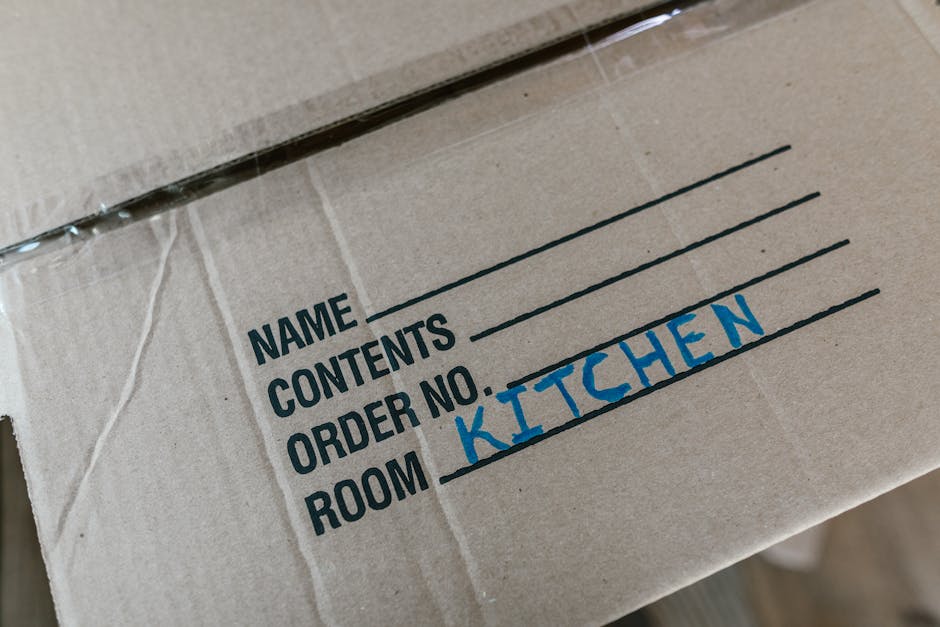
Write the room name and a short description on at least two sides of each box. For example: "Kitchen - plates and glasses" or "Bedroom 2 - bedding". If you are feeling organised, add a priority note such as "open first".
Colour coding helps too. A simple sticker system can save time when items are being moved into the new property. You do not need a full project-management board, unless that is your kind of fun. Then, by all means.
4. Prepare a fragile box strategy
Fragile items deserve extra padding, but not overpacking. Wrap glassware, ceramics, mirrors, and picture frames individually. Fill empty spaces so contents do not shift. A box that rattles is a box that needs more protection.
Keep the most breakable items together rather than scattering them through general boxes. That makes handling more careful and unpacking less nerve-racking.
5. Measure furniture and access points
This is the step people skip and then regret. Measure your sofa, wardrobe, bed base, large mirror, fridge, and any other item that might need turning through a doorway or up a staircase. Then measure the main access points at both properties.
Focus on:
- door widths
- stair turns
- hallway clearance
- lift dimensions, if there is one
- curved or narrow landings
If you are moving something awkward like a piano, specialist help is worth considering. A move involving a piano removals service is a very different thing from carrying standard boxes and chairs.
6. Sort parking and access details early
In Gipsy Hill, parking can be the bit that eats time if you leave it too late. Check where the vehicle can stop, how close it can get to the front door, and whether there are any restrictions on the road at the times you expect to load and unload. If access is tight, say so clearly in advance.
Also share practical details like door codes, intercom numbers, and whether someone needs to meet the crew at the entrance. Small thing, but a huge time-saver.
7. Keep an essentials box separate
This should contain the things you will need on the first night and the next morning:
- phone chargers
- tea, coffee and a kettle if possible
- toiletries
- basic medication
- snacks and water
- clean clothes
- toilet roll
- basic tools
Keep it with you if possible, not buried in the back of the van.
Expert Tips for Better Results
These are the small things that often make the biggest difference.
- Take photos of tricky access points: A quick phone photo of stairs, gates, narrow hallways, or parking positions can help a mover visualise the job before arrival.
- Protect floor surfaces where needed: If your home has delicate flooring, use runners or coverings. That keeps dirt and scuffs under control.
- Disassemble furniture in advance where sensible: Beds, table legs, and shelving units often move better in pieces. Keep bolts and screws in labelled bags.
- Leave a clear path: Shoes, prams, bins, laundry baskets and random clutter do not help. They just create trip hazards.
- Tell the truth about the load: If there are more boxes than expected, say so. If a wardrobe is solid wood and heavy, say that too. It helps everyone plan properly.
A slightly underestimated move is one of the main reasons days get messy. Better to sound a touch cautious beforehand than to be caught out later.
One more thing: if your move includes a mix of collection, transport, and temporary holding, it can be useful to look at storage. That gives you breathing room if completion dates, handovers or access windows do not line up neatly. And let's face it, they often do not.
Common Mistakes to Avoid
Even experienced movers make avoidable mistakes. The good news is that most of them are easy to prevent.
- Overfilling boxes: Makes lifting harder and increases the chance of breakage.
- Poor labelling: Causes confusion when boxes reach the new home.
- Ignoring access constraints: A van cannot magically fit where the road does not allow it.
- Leaving everything to the last day: Packing in a rush almost always leads to mistakes.
- Forgetting to measure large furniture: This is how sofas get stuck halfway through doorways.
- Not warning about awkward items: Heavy mirrors, antique pieces, exercise equipment, and appliances need advance notice.
There is a quieter mistake too: assuming every move is the same. It is not. A ground-floor studio, a two-bedroom maisonette, and a full family house all need different planning. A move is only simple when it matches reality.
Tools, Resources and Recommendations
You do not need loads of specialist equipment, but the right basics will make the job easier.
| Item | Why it helps | Best use |
|---|---|---|
| Strong boxes | Protects contents and stacks safely | Books, kitchenware, general household items |
| Packing tape | Keeps boxes secure during lifting and transit | Every box, especially heavier loads |
| Bubble wrap or paper | Reduces movement and breakage | Glass, crockery, ornaments, frames |
| Marker pens and labels | Makes sorting faster at the destination | Room labels, fragile notes, priority boxes |
| Furniture covers | Helps protect upholstery and surfaces | Sofas, mattresses, chairs, soft furnishings |
| Dolly or trolley | Useful for heavier items on flatter routes | Boxes, appliances, office items |
If you would rather not do the packing yourself, packing and unpacking services can save time and reduce pressure. That is especially useful if you are juggling work, childcare, or a tight handover deadline.
For people comparing options, reading about removal services can help you decide whether you need full support, a smaller vehicle, or just help with the load and transport. Again, the best setup is the one that fits the move, not the other way around.
Law, Compliance, Standards, or Best Practice
For a home move, there is usually no complicated legal process around packing boxes. Still, there are a few sensible standards and UK best practices worth keeping in mind.
Health and safety matters. Heavy lifting, awkward carrying, blocked exits, and unsecured loads all create avoidable risk. A professional team should work in line with sensible manual-handling practice, and you should avoid packing in a way that creates unstable or over-heavy boxes. If you are arranging a larger move, it is reasonable to ask about the company's approach to safety and handling, and to review a provider's health and safety policy if you want reassurance.
Insurance and care are also relevant. No move is completely free of risk, but clear communication, sensible packing, and proper access planning reduce the chances of damage. It is wise to understand how items are handled and what is covered before move day. A good starting point is any provider's information on insurance and safety.
Terms and conditions matter too. If you are booking a moving service, check the practical details: timings, responsibilities, cancellations, and what happens if access is different from what was described. The same goes for terms and conditions, and for pricing clarity through pricing and quotes. No one likes hidden surprises on moving day. Not one person.
There is also a simple environmental consideration. Reusable boxes, sensible packing, and keeping items organised for reuse or donation can reduce waste. If that matters to you, it is worth looking at a company's approach to recycling and sustainability.
Options, Methods, or Comparison Table
Different moves call for different levels of support. Here is a straightforward comparison.
| Option | Best for | Pros | Watch out for |
|---|---|---|---|
| Pack yourself and book transport only | Smaller, organised moves | More control, often simpler budgeting | Time pressure, heavier lifting if packing is poor |
| Use professional packing help | Busy households, fragile items, larger homes | Faster prep, better protection, less stress | Costs more than DIY packing |
| Choose a smaller vehicle option | Compact flats, single-load moves, student moves | Efficient for lighter jobs, easier to navigate tighter streets | May not suit larger furniture or many boxes |
| Use a larger truck-based move | Family homes, full-house moves, heavier loads | Better capacity, fewer trips | Needs stronger access planning and parking confidence |
If you are unsure which option fits your situation, start from the property type and the amount of furniture rather than the label. A small flat with stairs may still need careful planning, while a larger house may need a more substantial service. That is why pages such as removals and house removalists can help you compare expectations in a practical way.
Case Study or Real-World Example
Here is a realistic example from the kind of move people in Gipsy Hill often face.
A couple moving from a first-floor flat near a narrow residential street had a mix of medium boxes, a bed frame, a sofa, and several awkward bits of furniture that looked light until you touched them. The street had limited parking, the stairwell turned sharply halfway up, and the front door sat behind a shared entrance with a code lock.
Before moving day, they did three helpful things: they measured the largest items, they labelled every box by room, and they shared access details early. They also kept a small essentials bag with chargers, medication, bedding and kettle items. Nothing fancy. Just sensible.
On the day, the crew knew where they could stop, which items were fragile, and which pieces should come out first. The move still took effort - of course it did - but it stayed orderly. No one wasted time guessing where boxes belonged, and the larger furniture was handled with the right amount of caution. The interesting part is that the flat itself was not the problem. It was the planning that decided how smooth the move felt.
That is the real lesson. A difficult access point is not automatically a disaster. It just means the move needs clearer information and better sequencing.
Practical Checklist
Use this as a final moving-day check. Keep it simple.
- Pack room by room and label each box clearly
- Keep heavy items in smaller boxes
- Wrap fragile items properly
- Measure large furniture and key doorways
- Check staircases, lifts and landing space
- Confirm parking and vehicle access
- Share entry codes, intercom details and contact numbers
- Prepare an essentials box for the first 24 hours
- Set aside tools for furniture disassembly if needed
- Tell the mover about anything unusually heavy, delicate or awkward
- Keep valuables and documents with you
- Allow a little extra time. Always a little extra time.
If you want a clear next step, look at the type of move you need and the access at both ends. That will tell you a lot about whether a compact van, a fuller-service move, or a larger vehicle makes most sense.
Get a free quote today and see how much you can save.
Conclusion
Good packing and access planning is not glamorous, but it is the backbone of a smooth move. In Gipsy Hill, where properties, parking and stair access can vary a lot from one street to the next, that preparation becomes even more valuable. Clear labels, sensible box weights, honest access details and a realistic plan can turn a stressful day into something far more manageable.
If you remember only one thing, make it this: do not treat packing as a last-minute chore and access as somebody else's problem. The two work together. When they are both handled well, everything else becomes easier - loading, lifting, travelling, and settling into the new place.
And once the boxes are in and the kettle is on, you will be glad you did the boring bit properly. That part really does pay off.
Frequently Asked Questions
What are the most important packing tips for a move in Gipsy Hill?
Pack room by room, keep heavy items in small boxes, label everything clearly, and protect fragile items with enough padding. Simple, but it works.
How do I check if access will be difficult on moving day?
Look at parking, staircases, doorway widths, lifts, shared entrances and the distance from the property to the vehicle. If anything feels tight, mention it early.
Should I tell the removals team about narrow stairs or tight corners?
Yes. Absolutely. Those details can change how the move is planned, especially for bulky furniture or larger household items.
Is it better to use big boxes or small boxes?
Small boxes are better for heavy items like books. Big boxes are fine for lighter items such as bedding or cushions. A huge box full of books is just miserable to lift.
What should go in my essentials box?
Put in chargers, toiletries, medication, snacks, water, basic tools, toilet roll, and a change of clothes. Keep it easy to reach.
Do I need professional packing services?
Not always, but they are useful if you are short on time, have fragile items, or want less pressure on the day. A service like packing and unpacking services can take a lot of strain out of the process.
What if my furniture will not fit through the door?
Measure before moving day and disassemble where possible. If something is still awkward, tell the movers in advance so they can plan the best route or handling method.
How can I make parking easier for the van?
Check road restrictions, reserve space where appropriate if that is available to you, and make sure the team knows exactly where they can stop. Clear communication is the main thing.
Are there special considerations for flat moves?
Yes. Stairs, lifts, shared entrances and neighbour access can all affect timing. That is why flat removals are often planned a bit differently from house moves.
How far in advance should I plan packing and access details?
As early as you can. Even a few days makes a difference, and longer is better if parking, building access, or disassembly is likely to be involved.
What should I do if my move is last minute?
Prioritise the essentials, pack by category rather than perfection, and make sure access details are shared immediately. If time is tight, a service such as same day removals may be worth considering.
Can storage help if my dates do not line up?
Yes. If completion dates, handover times or access windows do not match neatly, temporary storage can give you breathing room and stop the move feeling rushed.
How do I know which moving service is right for me?
Start with your property type, volume of belongings, access difficulty and timescale. If you need a broader service, removal services can help you compare the options in a more organised way.